
The Powerful Truth about Labour Pain

Anna Vincent - Writer & Researcher
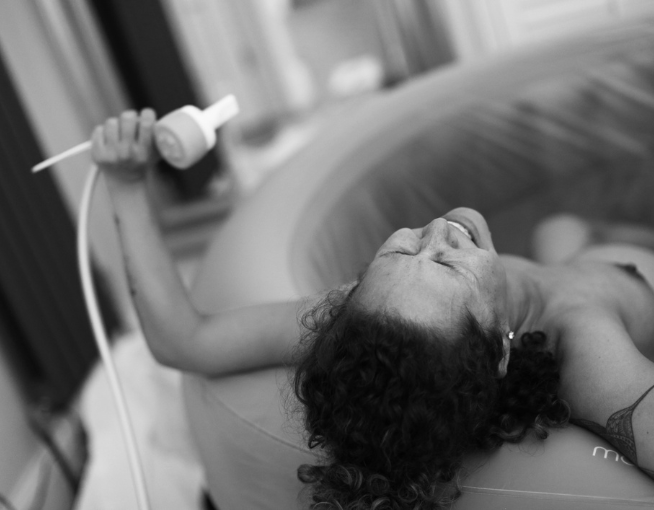

Table Of Content
Reading Time: | Word Count:
Curious about the powerful truth about labour pain?
The truth is, your body is biologically designed to birth your baby, and with the right preparation, support, and mindset, labour can be a manageable – even positive – experience. Yes, birth is primal and powerful. But the idea that it’s inherently unbearable and traumatic? That’s not entirely true.
So, on a scale of 1-10, how painful is childbirth? The answer isn’t as simple as you might think.

The Science of Pain: Why do we Think Birth Hurts?
Pain is a complex mix of physiology, psychology, and expectation – and childbirth is no exception. Modern Western culture pitches birth as something to be feared, but in societies where birth is seen as a natural, biological process rather than a medical emergency, women report lower pain levels and fewer complications.
Research has found that women who fear birth report higher levels of pain during labour and are more likely to need medical intervention. Why? Because fear triggers the fight-or-flight response, which releases adrenaline – our body’s “danger” hormone. Adrenaline shuts down oxytocin (the hormone responsible for contractions), making labour slower, more stressful, and, ultimately, more painful.
In contrast, when we feel safe, supported, and informed during birth, our brains release endorphins, otherwise known as nature’s ultimate pain relief. These hormones, which are more effective at killing pain than morphine, facilitate contractions and help us feel productive and in control throughout labour.
The Pain Scale: How Does Birth Compare?
Labour pain exists on a wide spectrum. There is a gap between expectation and experience. Some describe it as the most intense sensation they’ve ever experienced – a 9 or a 10 on the pain scale, while others find it more manageable than expected – more like a 5 or a 6. The pain isn’t constant but comes in waves – strong surges that peak and subside, giving moments of relief in between, rather than a continuous agony.
But pain isn’t just about sensation – it’s about perception. Interestingly, a study found that women who had prepared for birth with hypnobirthing rated their pain lower than those who felt unprepared or fearful.
So, rather than asking how painful childbirth is, a better question might be: What can I do to make my birth as comfortable and empowering as possible?
The Powerful Truth about Labour Pain
Pregnant women often wonder ‘Is labor really the worst pain ever?’
Your body is designed for birth. The idea that childbirth is inherently painful is a modern construct, reinforced by media, cultural narratives, and a heavily medicalised approach to labour. Let’s take a look at the facts:
1. Birth pain isn’t like an injury
Unlike a broken bone or a toothache, labor pain is functional. Your body isn’t signalling that something is wrong; it’s working at its full capacity to bring your baby into the world.
Each contraction plays a role in opening the cervix, moving the baby down, and preparing your body for birth. While intense, this type of pain is productive, and many find it easier to manage when they understand its purpose.
2. Your hormones are on your side
During labour, your brain releases a perfect cocktail of hormones to help you through the process:
- Oxytocin (the “love hormone”) fuels contractions and creates a sense of calm.
- Endorphins (natural painkillers) peak as labour progresses, reducing discomfort.
- Relaxin helps your ligaments stretch, making space for your baby to move out into the world.
However, if you’re scared or stressed, your body floods with adrenaline, which can stall labour, increase pain perception, and even lead to unnecessary medical interventions.
3. Fear = more pain
The fear-tension-pain cycle is real. The more afraid you are, the more tense your muscles become, and the more pain you perceive as a result. This is why hypnobirthing, relaxation techniques, and education can make a huge difference in increasing your chances of a positive birth experience.
So, What do Contractions Feel Like?
The truth is, contractions feel different for everyone – and even from one pregnancy to the next. They can also feel different at various stages of labour.
In early labour, contractions are irregular and last around 20 to 30 seconds, but as labour advances, they become stronger, more frequent, and can last up to 70 seconds.
While one woman might describe them as sharp cramps, another might experience them as a tightening feeling that builds and releases. So if your friend’s description doesn’t match your own, that’s completely normal.
Some common ways people describe contractions include:
- A dull ache or discomfort in the lower back or stomach
- Pressure in the pelvis
- The stomach hardening and then softening again
- A wave-like sensation rolling from the top of the uterus downward
- Pain similar to intense period cramps
The important thing to remember? Each contraction is working with your body, moving you closer to meeting your baby.
What Can You Do to Reduce Birth Pain?
There are many non-medical ways to manage pain in labour, and the right combination of techniques can make a huge difference in how you experience birth. Here are some of the most effective ways to stay comfortable, calm, and in control:
1. Learn how birth works
Knowledge is power. Understanding the stages of labour, what your body is doing, and what to expect can remove fear and increase confidence, reducing your perception of pain.
2. Breathe like a pro
Slow, deep breathing activates the parasympathetic nervous system, keeping you calm and in control. Techniques like hypnobirthing’s surge breathing help with managing contractions.
3. Move your body
Lying on your back is one of the least effective (and most painful) positions for labour. Gravity helps! Movement, upright positions, and hip circles can ease pain and help your baby descend properly. Practice yoga in pregnancy to help with this!
4. Source a supportive birth team
A trusted birth partner, midwife, or doula can help create a calm, safe environment. Research shows that continuous labour support leads to shorter labours, lower pain levels, and fewer interventions.
5. Create a birth-positive environment
Dim lights, soft music, familiar smells, and minimal noise can all signal safety to your brain during birth, allowing your oxytocin and endorphins to flow freely and do their job.
Medical Pain Relief Options: Use What You Need, Avoid What You Don’t
Medical pain relief in labour is a personal choice, and there’s no shame in using it if needed. However, unnecessary medical intervention – especially when driven by hospital policies rather than individual needs – can increase the risk of longer labours, birth trauma, and postnatal recovery issues.
- Epidurals provide excellent pain relief but can slow labour and increase intervention rates.
- Gas and air (Entonox) takes the edge off without affecting contractions.
- TENS machines use mild electrical pulses to block pain signals and release more endorphins.
- Sterile water injections can relieve back labour without drugs. These are not yet in regular use in most UK trusts.
The key is informed choice – knowing the risks and benefits of each option so you can make the best decision for your body and your baby.
The Takeaway: Birth Can be Powerful, not Painful
Birth is often painted as terrifying, but the truth is, your body knows how to give birth. Pain in labour isn’t inevitable – it’s influenced by your mindset, environment, support system, and hormonal balance.
Hypnobirthing helps reduce fear by teaching you to work with your body rather than against it. When you trust the process and understand your options, your chances of a positive, even joyful, birth experience increase significantly. That might mean choosing to give birth in a birthing centre, having a home birth, or opting for an epidural – it’s not about following one “right” way to bring your baby into the world. What matters is that you feel informed and in control of your choices.
If you want to learn how to approach birth with confidence, calm, and practical tools, Butterbean’s award-winning online hypnobirthing course is a great place to start.
online hypnobirthing and parenting courses
From birth to babe in arms, and beyond - get the guidance and support needed to make the journey a whole lot easier.
