
Best Pregnancy Vitamins 2025, According to Experts

Lucy Woodbridge


Table Of Content
Reading Time: | Word Count:
Ensuring that both you and your baby receive the right nutrients is essential for a healthy pregnancy. Prenatal vitamins can provide critical support by filling any nutritional gaps, giving you peace of mind, and helping you prioritise your health throughout your pregnancy.
This guide will explore the best prenatal vitamins for 2025, provide expert advice for pregnancy nutrition, and highlight why early and consistent supplementation matters.

Why Are Prenatal Vitamins Important?
Even with the most balanced pregnancy diet, keeping up with the increased nutritional demands while you’re pregnant can be challenging. Your baby’s growth and development depend on essential vitamins and minerals, including folic acid, iron, and vitamin D, which may be difficult to obtain in adequate amounts from diet alone.
For example, folic acid supplements play a crucial role in preventing neural tube defects, such as spina bifida, which can develop in the earliest weeks of pregnancy—often before you even know you’re pregnant. This is why you should start taking folic acid as soon as you decide to start trying for a baby.

Key Nutrients for Pregnancy
Folic Acid
Folic acid is universally recognised as one of the most important nutrients for pregnancy. It helps prevent neural tube defects affecting your baby’s brain and spinal cord.
Vitamin D
Vitamin D is critical for regulating calcium and phosphate levels, which are essential for healthy bone development in babies and for maintaining bone health in adults.
Iron
Iron supplements during pregnancy support the production of red blood cells. Many women experience low iron levels during pregnancy, which can lead to fatigue. Always seek your GP’s advice before taking iron supplements.

Best Pregnancy Vitamins for 2025: According to Experts
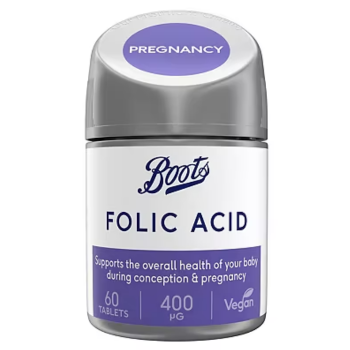
This affordable and straightforward supplement is an excellent choice for meeting the recommended 400 micrograms of folic acid.
- Why It’s a Top Choice:
- Budget-friendly (£2 per bottle).
- Widely available in the UK.
- Vegan-friendly and free from artificial additives.

Vitabiotics Pregnacare Liquid
This liquid formula is ideal for those who struggle to take tablets. It includes folic acid, iron, and vitamin D, providing pregnancy nutrition in an easy-to-consume format.
- Why It’s Recommended:
- Supports overall pregnancy health.
- Convenient liquid formulation.

Nature Made Prenatal Multi + DHA
- Why It’s Popular:
- Combines key nutrients and omega-3s in one capsule.
- Simplifies your prenatal care routine

Vitabiotics Pregnacare Breastfeeding
Vitabiotics Pregnacare Breastfeeding is an all-in-one supplement, formulated with key ingredients for the postnatal period. It has the potential to be a brilliant follow-on product for mums after childbirth who choose to breastfeed.
Here’s why this product is worth it:
- This product is specially formulated for the postnatal period.
It includes calcium and vitamins K and D, recommended for breastfeeding. - It includes essential fatty acids like DHA, which contributes to the normal brain and eye development of breast-fed infants.
Vitamins to Avoid During Pregnancy
While most vitamins are beneficial during pregnancy, some can be harmful if taken in excess. Here are the main ones to avoid:
- Vitamin A (Retinol):
High doses of retinol, found in some supplements and liver-based foods, can lead to birth defects. Instead, focus on beta-carotene-rich vegetables like carrots and sweet potatoes. - High-Dose Vitamin E:
Excessive vitamin E can interfere with blood clotting. Only take it under medical supervision.
Why Prenatal Nutrition Matters
In addition to taking the right prenatal vitamins, maintaining a healthy diet before and during pregnancy is crucial. Proper nutrition supports your baby’s growth and development.
What Does a Balanced Pregnancy Diet Look Like?
- Fruits and Vegetables: Aim for a variety of colours to ensure you get a wide range of nutrients.
- Whole Grains: Provide energy and important nutrients like fibre.
- Lean Proteins: Help support your baby’s growth.
- Healthy Fats: These are found in nuts, seeds, and avocados and support brain development.
Managing Cravings and Morning Sickness
If you experience pregnancy cravings or struggle with morning sickness, it can be challenging to maintain a balanced diet. Here are some tips:
- Choose nutrient-dense snacks like fruit, yoghurt, or nuts.
- Stay hydrated with pregnancy-safe drinks like water or herbal teas.
- Speak to your GP or midwife if nausea prevents you from eating. They can recommend supplements or other strategies to ensure you’re meeting your nutritional needs.
When Should you Start Taking Prenatal Vitamins?
It’s recommended to start taking prenatal supplements as soon as you begin trying for a baby. The first few weeks of pregnancy are critical for neural tube development, so ensuring adequate folic acid levels early on is vital.
Folic acid supplements, available for as little as £2 at most pharmacies, are an accessible and affordable starting point.
The Bottom Line
While there are many options for top pregnancy supplements, folic acid remains the single most important nutrient for preventing complications like neural tube defects. Maintaining a balanced diet during pregnancy, staying active, and consulting your healthcare provider will help you and your baby thrive.
Always discuss your supplement needs with your GP or midwife for tailored advice.
For further information and comprehensive insights into pregnancy nutrition, you can explore these trusted resources:
online hypnobirthing and parenting courses
From birth to babe in arms, and beyond - get the guidance and support needed to make the journey a whole lot easier.
